I've spent my career at the intersection of health, wellness, and technology. From founding health startups on the software side, to being part of a team that launched a health tracking wearable on the hardware side. Different ends of the same industry, but the same problem kept finding me either way.
Part of why it stayed with me is personal. But this post is the product story.
The idea didn't start with a plan, it started with a conversation. A group of surgeons at Amsterdam UMC reached out about a problem they were wrestling with. How do you actually collect real-world health and wearable data at scale, in a way people can meaningfully donate to and benefit from, not just one study at a time. That's close to what's now TRAIN's own Data Donation Monitoring (DDM) initiative, exactly the kind of infrastructure problem BiotrackOS is built to support. That conversation is where the concept for BiotrackOS started taking shape. You can learn more on the DDM project, including a short video, in this blog post.
The same gap, every time
Every conversation I was having, with hospital workers, clinics, and wellness programmes, kept circling the same thing. More health data than ever before, and almost none of it talking to each other. Lab results in one system. Wearable data in another. Clinical records in a different system entirely. Genomics sitting in a PDF, disconnected from the daily habits that give it meaning. And the person all this data belonged to usually had the least visibility of anyone.
We're here to make sure the right information and insight reaches the people who can actually act on it, a clinician, a coach, the person themselves, in time for it to matter. That's not a data problem, it's an infrastructure problem.
A trend that points the same direction
You can see the same shift at the top of the wearables market. Leading wearables pairing their device data with blood work, pulling lab results together with daily signals.
Wearables are the most visible part of this story right now, but they're not the whole of it. The same fragmentation runs through lab panels, genomics, medications, clinical notes, and everything a person reports about themselves. Connecting all of it, not just device data, is the actual job.
We believe genuine global impact only comes from connecting multiple sources in one place, because people will always have their own wearable device preferences. In some cases, people wear multiple devices at once.
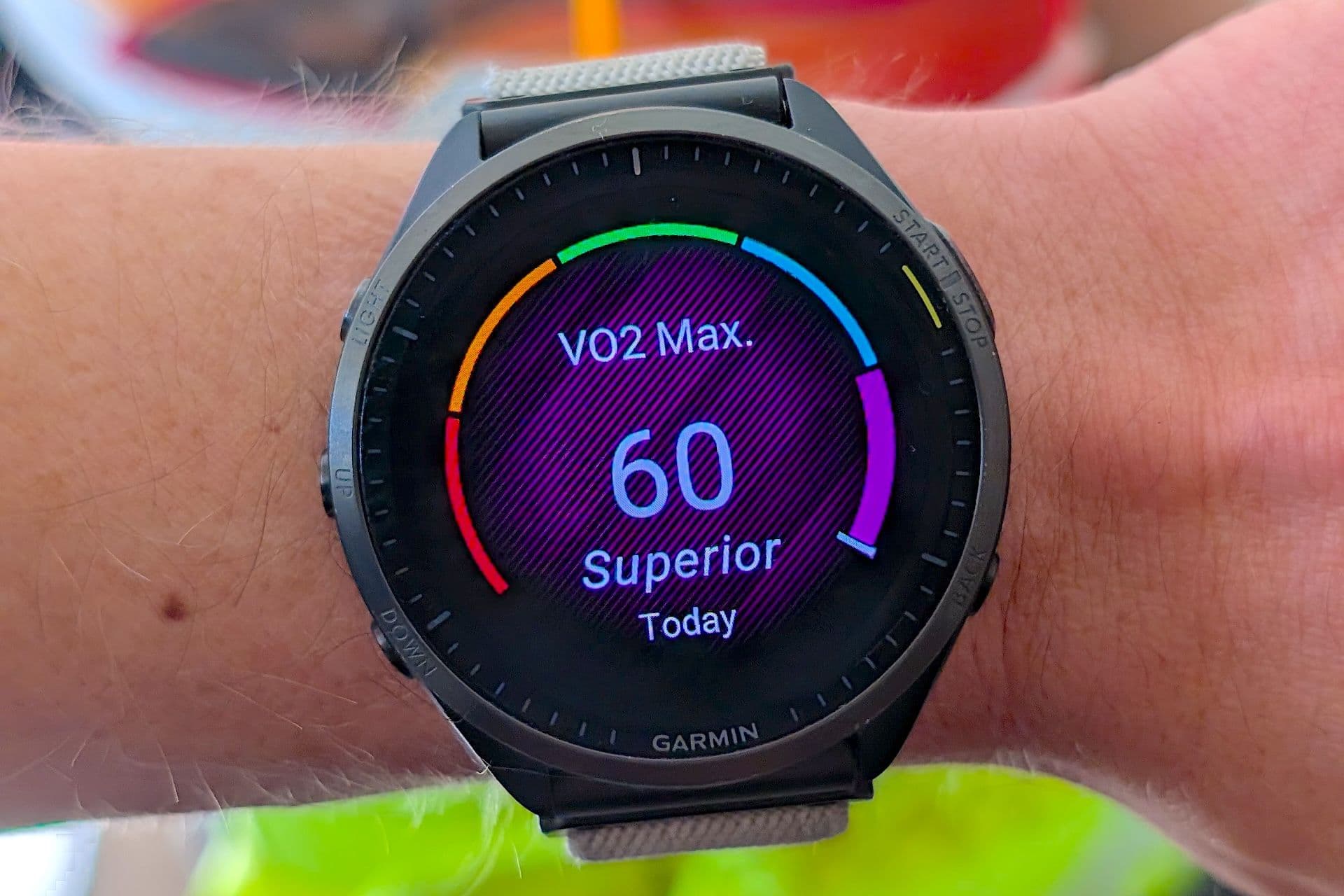
I wear a ring for sleep, a band for my workouts, and a watch for everything else, as I try to hack my own health.
People use different health providers too, each collecting and storing their data separately.
We want to build the infrastructure underneath and around it, working together with wearable and health providers, based on user consent to pull data together.
BiotrackOS has two sides. A frontend where a person can actually see the health data we're pulling in, wherever it comes from, and add their own context to it. And a backend that turns the same connected record into individual or population-level views, depending on who's enrolled and what they've consented to, so a clinic sees one user's picture and a public health programme sees a whole community, off the same underlying data.
This is becoming policy, not just product strategy
England's NHS has already committed to this shift, and not just for wearables. The government's Fit for the Future: 10 Year Health Plan for England commits to giving patients "a single, secure and authoritative account of their data, a single patient record, to enable more co-ordinated, personalised and predictive care," alongside naming wearables as one of five transformative technologies for the next decade, data, AI, genomics, wearables and robotics, with a clear commitment: "make wearables standard in preventative, chronic and post-acute NHS treatment by 2035. All NHS patients will have access to these technologies, which will be part of routine care. We will provide devices for free in areas where health need and deprivation are highest."
Abu Dhabi's Department of Health has set a similar direction for 2026, naming Future Health's theme "To Sense is to Predict", a shift from reactive care toward prediction built on continuous sensing and integrated data, spanning personal wearables and digital platforms through to population-level physiological and behavioural signals.
This isn't UK or UAE specific. It's a pattern showing across health systems globally. A health system can commit to connected, data-driven care at scale, but that only works if the data, wearable or otherwise, lands somewhere connected, readable, and useful.
That's exactly the gap we want BiotrackOS to help close.
Where we are now
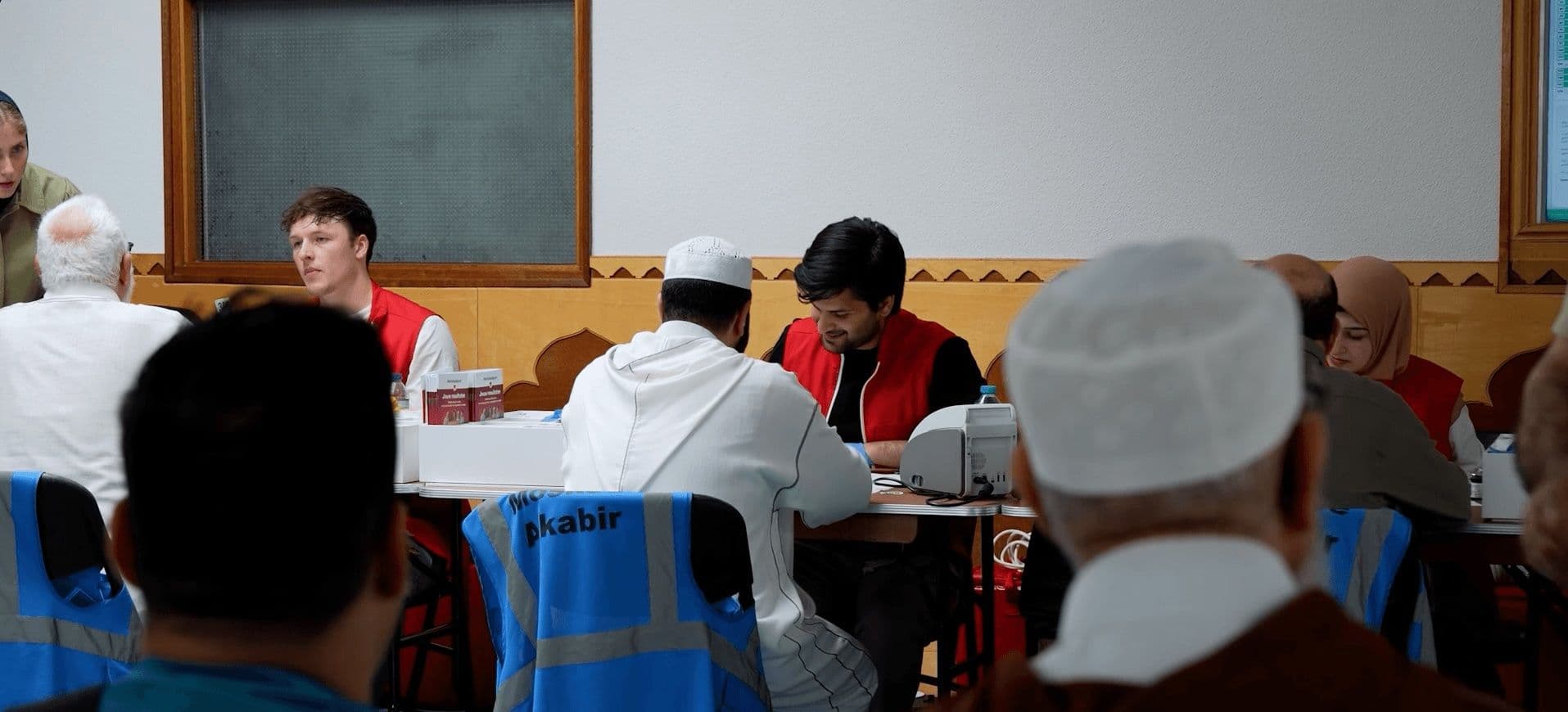
BiotrackOS ran in closed rollout while we got the infrastructure right, and we're now opening to the wider market. We've been working closely with our clinical partner at TRAIN Health Awareness over the past year to evolve the platform in line with their own work in the field.
We're only getting started.